
Horizontal timeline
Part one
Warm-up cadence
The first ten to fifteen minutes stay on wide surfaces. Coordinators count heads, repeat the route sketch, and invite people to set the pace they expect to hold for the middle segment.
Part two
Active walk
The published track is followed as written unless a safety note appears on the laminated sheet. Pauses happen at marked coordinates so anyone who needs a slower stretch can regroup without chasing the front line.
Part three
Wind-down
The route returns to calmer surfaces. Some sessions end at a café patio; others dissolve at the meeting bench. Either way, the coordinator files the simple log described in the walking notes.
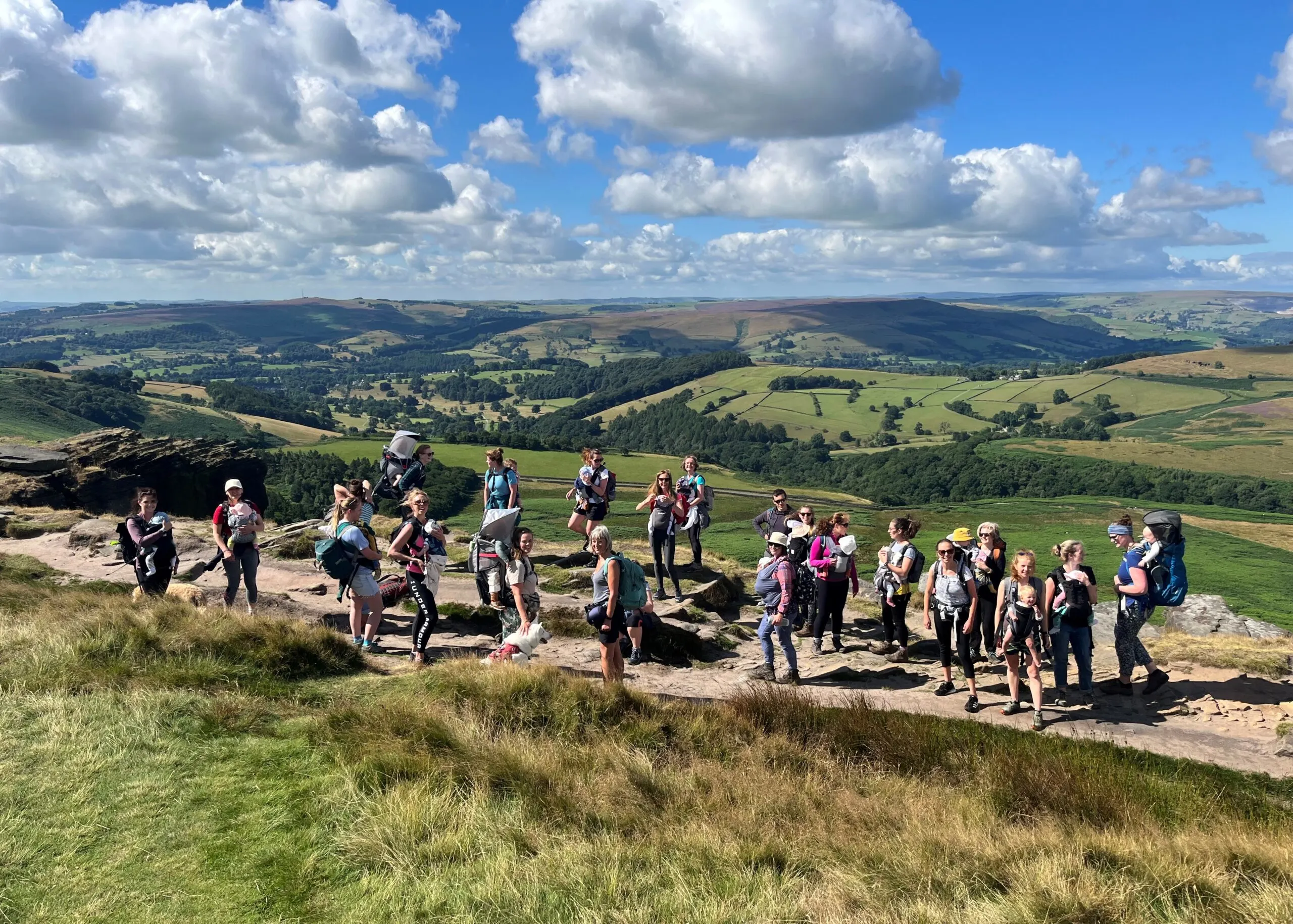
What photographs tend to miss
Still images cannot show how quickly mud firms after a breeze. That is why the ledger pairs photos with terrain tags written in everyday words—cobblestone, forest floor, urban ascent—instead of marketing adjectives.
If a tag is new to you, the contact desk can point to reference photos that match the surface, still without promising any personal outcome.
Between segments
Coordinators give a two-minute warning before pace shifts. That small gap lets people sip water, adjust layers, or move toward the part of the line where they feel comfortable. No timed drills, no rankings—only clear transitions.
Pick a ledger entry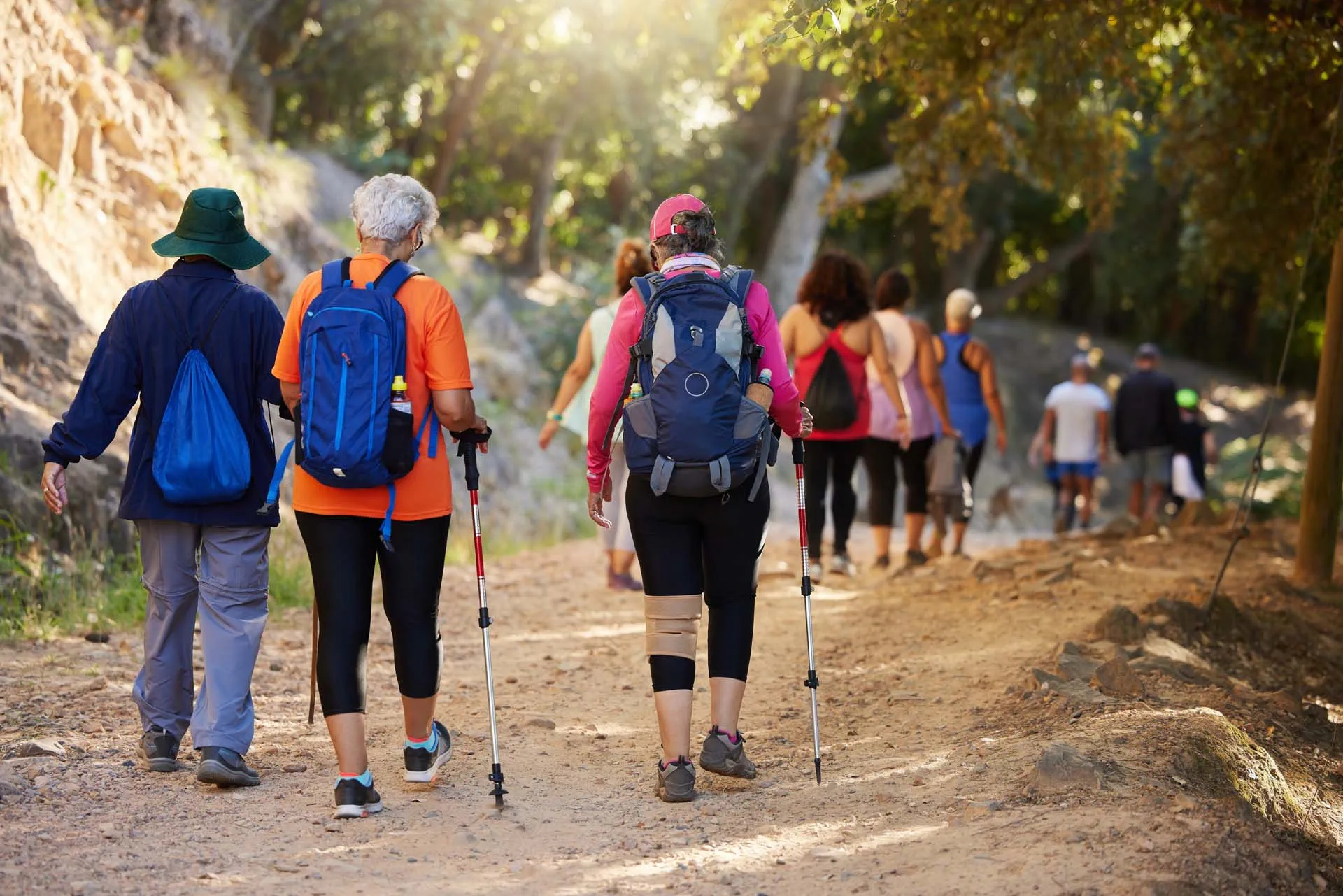
Water at published pause points
Published ledgers mark tap points or cafés when they exist. If no public tap is available, the coordinator states that aloud during the warm-up segment so participants can decide how much water to carry. The schedule does not include timed athletic drills; pauses follow the group’s visible comfort level within public path rules.